 Janet Wilson
If you’re reading this, there’s a good chance your local chicken-keeping group just blew up with scary news, or your neighbor lost their flock, or you saw a headline and typed “avian flu backyard chickens” into Google at 11pm. I know that feeling. The first time a case was confirmed in my county, I walked out to my coop before I even finished reading the article. You want to know if your birds are at risk, what you can actually do, and whether you should be worried.
Here’s what I tell people: avian influenza is genuinely serious, and a lot of the advice floating around online is either too vague to act on or written for commercial operations with biosecurity budgets bigger than most people’s mortgages. This is for the person with six hens and a garden coop, or maybe twenty birds in a mixed flock. Real information for real setups.
What You’re Actually Dealing With
Highly pathogenic avian influenza, the strain that’s been circulating in North America with alarming persistence, doesn’t behave the way a lot of backyard keepers expect it to. It’s not like a respiratory illness that creeps through your flock over two weeks. High-path HPAI can kill a bird within 24 to 48 hours of symptoms appearing, and sometimes birds die before you notice anything wrong at all. Sudden, unexplained death in multiple birds is often the first sign.
The virus spreads primarily through wild waterfowl, which are often asymptomatic carriers. Ducks and geese can carry HPAI without showing a single symptom and shed the virus in their droppings. If a wild mallard walks through your run, wades in a puddle near your birds’ water source, or flies overhead and deposits droppings, the exposure risk is real.
What makes the current situation particularly difficult is that migrating waterfowl carry the virus across huge geographic areas. HPAI doesn’t stay put in one state or one flyway. Flocks in Iowa, Texas, Colorado, and the mid-Atlantic states have all dealt with confirmed cases in recent years, and backyard flocks are not exempt. The USDA confirmed cases in backyard and exhibition flocks, not just commercial houses.
One thing people underestimate: you can track it in yourself. The virus survives on boots, clothing, tires, and equipment. If you visit a feed store, a poultry swap, or a friend’s farm, you’re a potential vector. I made this mistake years ago, going to a poultry swap and walking back into my coop the same afternoon. I didn’t lose birds that time, but I was lucky, not careful.
Practical Biosecurity That Actually Works
The word “biosecurity” sounds clinical and industrial, but for a backyard flock it mostly comes down to a short list of habits that you actually do every single day.
The single most effective thing you can do is prevent direct and indirect contact between your birds and wild waterfowl. That means covered runs. A fully enclosed run with hardware cloth on the sides and roof isn’t just predator protection. It keeps wild birds out, prevents them from landing in your water, and stops fecal contamination from above. If your birds free-range, understand that you’re accepting elevated exposure risk during active migration periods, typically fall and spring.
Keep a dedicated pair of coop shoes or boots, and actually use them. Leave them at the coop door. Don’t wear them to the feed store, don’t wear them to your car, and definitely don’t lend them to a visitor. This sounds obsessive until you’ve watched someone’s entire flock get depopulated, and then it sounds like a very small inconvenience.
Water is the biggest overlooked vector. Open buckets and pans that wild birds can access are a real problem. Covered poultry nipple waterers like the horizontal nipple systems from manufacturer Rent A Coop or the horizontal nipple kits you can build yourself with a standard PVC pipe are genuinely better from a biosecurity standpoint, not just convenience. If you’re using rubber tubs in an open run, you’re offering wild birds a drink.
Visitors are a real risk. I’m not saying you can never show your chickens to your kids’ friends, but anyone who has been around other poultry before coming to your place should change shoes, and ideally outerwear, before walking into your coop or run area. Commercial operations post biosecurity signs. You don’t have to go that far, but a light hose-down of boots before entry isn’t unreasonable.
How to Spot Trouble Early
There’s a short window between when HPAI shows up in your flock and when there’s anything you can do to save unaffected birds, so knowing what to watch for matters a lot.
Sudden death is the biggest red flag. If you lose more than one bird in a short period with no obvious injury or predator evidence, HPAI should be on your differential list immediately. Other signs include: severe neurological symptoms like head tilting, loss of coordination, circling; extreme respiratory distress; sudden and dramatic drop in egg production; swelling of the head, face, or wattles; and purple or blue discoloration of the comb and wattles.
If you see any combination of these, especially in multiple birds at once, stop going into the coop, and contact your state veterinarian’s office or the USDA APHIS emergency line right away. I know it feels extreme. Do it anyway. The reporting process exists to help you, not just to document losses.
You can find your state vet contact through the USDA APHIS website. Keep it saved somewhere you can find it in an actual emergency.
The Question No One Wants to Ask
Here it is: if HPAI is confirmed in your flock, will the government come and euthanize your birds?
Yes, almost certainly. Depopulation is the standard response for confirmed HPAI in any flock, commercial or backyard. The goal is to stop the spread before it reaches neighboring flocks or commercial operations. There is an indemnity program through USDA that compensates flock owners for birds lost to depopulation, though the process can take time and the paperwork is not simple. Keeping basic records of your flock size and approximate value of your birds is worth doing ahead of time, not something you want to figure out during the worst week of your chicken-keeping life.
I know the idea of losing an entire flock, including birds you’ve raised from chicks and named and kept for years, is genuinely devastating. It’s not a clinical thing. Backyard keepers form real bonds with their birds, and no one should pretend otherwise.
That’s exactly why prevention is worth the effort.
What About the Risk to Humans?
Sources
The current H5N1 strain has shown the ability to infect humans in a small number of cases, primarily people with direct, prolonged contact with infected birds or raw poultry products. As of 2026, there is no confirmed evidence of sustained human-to-human transmission. The risk to a backyard keeper who handles healthy birds normally is considered low by public health agencies.
That said, if your birds are showing symptoms, wear a well-fitted N95 mask, eye protection, and gloves when you’re around them. Avoid touching your face. Wash your hands thoroughly. These aren’t overcautions. They’re sensible precautions given what we know right now, and they cost you very little.
The best thing you can do today, before anything happens, is walk your setup with fresh eyes and honestly ask: where could a wild duck make contact with my birds or their food and water? Start there. Fix what you can. The rest is paying attention, which is something most backyard keepers are already pretty good at.
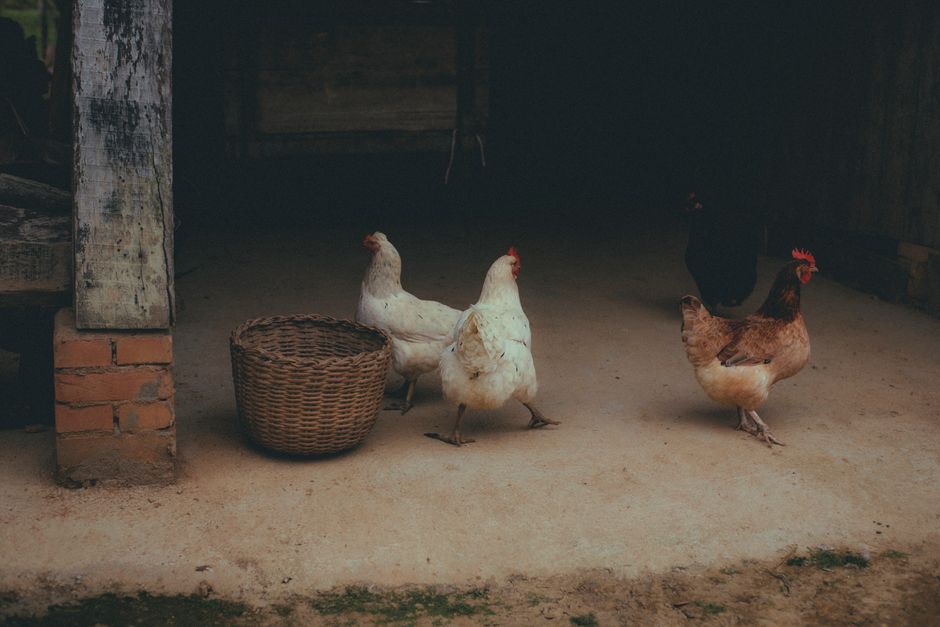
Photo: Magali Guimarães via Pexels