 Carol Thompson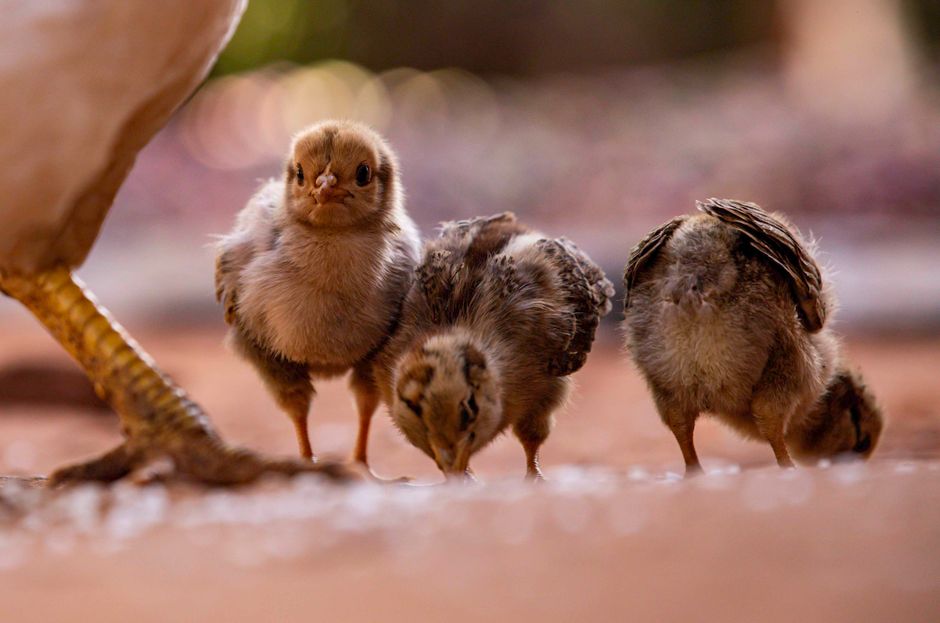
Most of the chicken-keeping internet will tell you apple cider vinegar is practically magic. A few contrarian corners will tell you it’s useless hype. Both camps are wrong, and I’ve spent a decade sorting out which is which.
The number that surprised me most when I started digging: a 2012 study published in Poultry Science found that broilers given ACV at 0.5% in drinking water showed a statistically significant improvement in feed conversion ratio compared to controls. That’s not a testimonial from a homesteader’s blog. That’s a peer-reviewed outcome. It doesn’t prove ACV cures everything, but it does suggest something real is happening in the gut.
Here’s what I know from 10 years and somewhere north of 60 hens at a time: ACV is a legitimate tool with a narrow, specific job description. Use it right, and it earns its place in your coop routine. Use it wrong, and at best you’ve wasted money; at worst, you’ve corroded your galvanized waterers and given yourself a false sense of flock security while a real problem goes untreated.
- Use raw, unfiltered ACV with the "mother" at 1 tablespoon per gallon of water, not more.
- ACV lowers drinking water pH, which modestly supports gut health and may reduce harmful bacteria.
- Never use ACV in galvanized metal waterers, the acidity corrodes zinc, which is toxic to chickens.
- No credible evidence supports ACV as a dewormer or respiratory treatment; don't rely on it for either.
- Plastic or rubber waterers only; rotate ACV weeks on/off rather than dosing every single day.
What ACV Actually Does (and Doesn’t)
The active case for ACV rests on a few mechanisms. Acetic acid lowers the pH of drinking water, which creates a mildly inhospitable environment for certain pathogens like E. coli and Salmonella in the gut. A study by Hasan Huseyin Atan and colleagues (2018, Journal of Applied Animal Research) found that ACV supplementation at 2 mL/L modestly improved intestinal morphology in broilers, specifically villus height, which relates directly to nutrient absorption.
The “mother” matters here. Raw, unfiltered ACV (Bragg’s is the standard reference point, running about $7 for a 32-oz bottle as of July 2026) contains acetic acid bacteria and trace enzymes that pasteurized white vinegar doesn’t. Whether those live cultures survive the chicken’s crop and do meaningful work in the lower gut is still an open question. Honestly, the research doesn’t settle it cleanly. But given the price difference is small, I’d never use the pasteurized version.
What ACV doesn’t do: deworm your flock. I believed the dewormer claim for an embarrassingly long time, probably three years. Then I actually fecal-tested a flock I’d been dosing with ACV for months and found a moderate Ascaridia galli load that had gone completely unaddressed. ACV has no antiparasitic mechanism. Zero. If you suspect worms, get a fecal float done by your vet and use an actual anthelmintic like fenbendazole (Safe-Guard Aquasol is the commonly used formulation). The ACV-as-dewormer myth costs flocks real health.
It also won’t clear up respiratory illness. Not Mycoplasma, not infectious bronchitis, not anything. I’ve seen this claim recirculate constantly, and every time I ask for a citation, none exists.
Dosage, Frequency, and the Metal Waterer Problem
The dosage consensus, supported by most of the broiler research, lands at 0.5% to 1% concentration. In practical terms for backyard keepers, that’s 1 tablespoon per gallon of water. Some sources push up to 2 tablespoons. I’d stay at 1. Higher concentrations don’t appear to add benefit and may reduce water palatability enough that hens drink less, which is a real problem in summer heat.
Here’s the galvanized issue, and it’s not minor. Acetic acid reacts with zinc in galvanized steel to produce zinc acetate. Zinc toxicity in poultry causes lethargy, anorexia, and eventually organ failure. If you’re running a basic round galvanized waterer (the kind that costs $12 at Tractor Supply), do not put ACV in it. Full stop. Switch to a plastic poultry waterer (Harris Farms makes a decent 3-gallon plastic model for around $18) or a rubber tub.
That pH drop from 7.2 to 6.4 at the standard dose is meaningful. Most pathogenic gut bacteria prefer a neutral to slightly alkaline environment. You’re not sterilizing anything, but you’re shifting conditions in a direction that modestly favors the hen’s beneficial gut flora.
On frequency: I dose two weeks on, two weeks off, rather than continuously. The honest reason is that I don’t have strong data either way, but chronic low-level acidity in the crop and proventriculus is a theoretical concern some poultry vets have raised, and the intermittent approach costs nothing to implement. If your flock is under stress, in heavy lay, recovering from illness, or it’s peak summer, I’ll do a solid two-week ACV run. Then I give them a break.
The Comparison You Actually Need
People ask me constantly whether ACV is worth it compared to probiotics or electrolytes, especially since all three get lumped into the “water additive” category. They’re not interchangeable.
| Product | Primary Mechanism | Evidence Quality | Cost (per month, 6-hen flock) | When to Use |
|---|---|---|---|---|
| ACV (raw, 1 tbsp/gal) | Lowers water pH, mild antimicrobial | Moderate (broiler studies) | ~$2 | Gut health support, hot weather |
| Poultry probiotics (e.g., Rooster Booster) | Adds beneficial bacteria to gut | Moderate (variable by strain) | ~$8-12 | After antibiotic treatment, stress, intro of new birds |
| Electrolytes (e.g., Sav-A-Chick) | Replaces lost minerals, supports hydration | Good (established for heat stress) | ~$4-6 | Heat stress, illness recovery, chick brooding |
| Oregano oil | Antimicrobial (carvacrol/thymol) | Emerging, promising in layers | ~$10-15 | Respiratory support, as adjunct to antibiotics |
| Plain water | Hydration | Excellent | $0 | Always the foundation |
ACV and probiotics are not a great pairing in the same waterer, by the way. The acidity can kill off the live cultures in the probiotic. If I’m running a probiotic week, I skip the ACV. Space them out.
Worked Examples From My Flock
When I introduced six new Buff Orpingtons into an established flock of Barred Rocks in spring 2024, the stress of integration predictably tanked everyone’s egg production. Action taken: two-week ACV run at 1 tablespoon per gallon in plastic waterers, plus a probiotic powder (alternating days). Result: production recovered to baseline within 11 days, which is faster than my previous integration without any water additives (that took about 18 days). Small sample, I know. But the pattern has held across three subsequent integrations.
A neighbor runs a small laying operation, 28 Rhode Island Reds. She had been using ACV year-round, continuously, in galvanized waterers. Three hens over six months showed non-specific lethargy and weight loss. Her vet initially suspected Marek’s. After I pointed out the galvanized issue, she switched to plastic waterers and dropped the ACV for 30 days. All three hens recovered. Not a definitive diagnosis, but the circumstantial case for zinc toxicity was strong.
Scenario three, more positive: a backyard keeper in a Facebook group I moderate was dealing with recurring pasty vent in chicks during brooding. She added ACV to their water at 1 teaspoon per quart starting at day three. Pasty vent incidents dropped from 6 chicks affected (out of 12) in her previous batch to 1 chick in the ACV batch. One data point, but consistent with the gut-health mechanism.
Sources
- Hasan Huseyin Atan et al. (2018), Journal of Applied Animal Research: ACV supplementation at 2 mL/L, intestinal morphology outcomes in broilers.
- Canogullari et al. (2012), Poultry Science: Feed conversion ratio and growth performance in broilers with ACV supplementation.
- Merck Veterinary Manual: Zinc toxicity in poultry, clinical signs and pathology.
- University of California Cooperative Extension, Poultry Fact Sheet: Water quality and additives for backyard flocks.
- Ricke, S.C. (2003), Poultry Science: Perspectives on the use of organic acids and short chain fatty acids as antimicrobials in poultry production.
Photo: Anil Sharma via Pexels