 Sarah Mills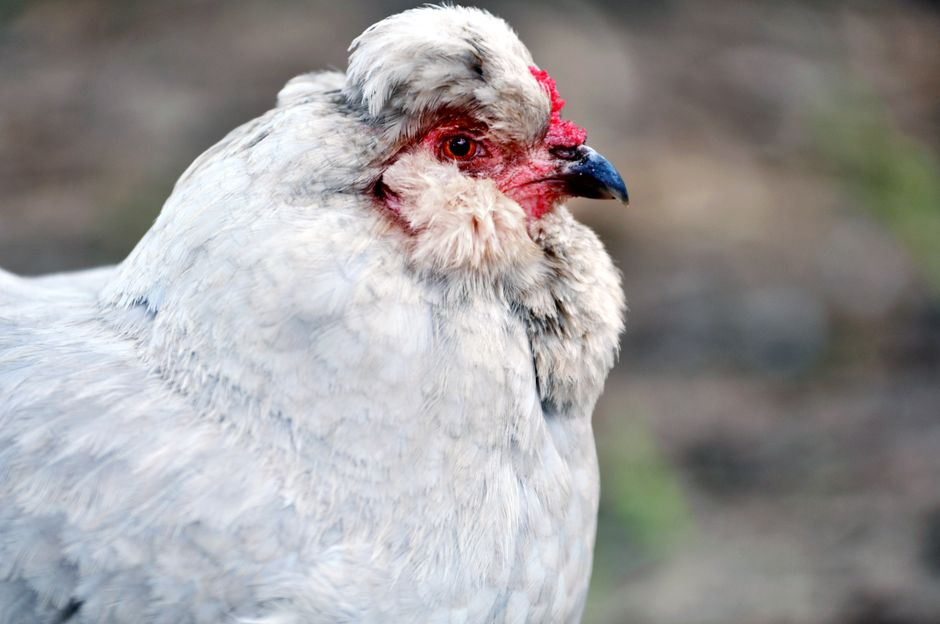
Most people get into Ameraucanas because of the blue eggs. I’ll be honest, that was exactly why I bought my first trio back in 2014, and I almost made the same mistake that trips up probably 80% of newcomers to this breed: I didn’t actually buy Ameraucanas. I bought Easter Eggers sold under the wrong label, because the hatchery I ordered from was using the names interchangeably. That one confusion cost me two full years of thinking I understood this breed when I really didn’t.
What surprised me was how much nuance lives inside what looks like a simple “blue egg chicken.” Once I started working with true Ameraucanas, sourced from a reputable breeder in Pennsylvania who shows at the American Poultry Association level, I realized this is a breed with serious depth: strong opinions about management, a body type that’s surprisingly cold-hardy despite looking dainty, and a temperament that’s nothing like the flighty Leghorns I’d expected. They’re also one of the most frequently misrepresented breeds sold in the American backyard market. That alone is worth a full article.
So here’s what I dug into, hands-on and through conversations with breeders who’ve been doing this for 20-plus years.
- True Ameraucanas are APA-recognized with 8 standard colors; "Easter Egger" is not the same bird.
- Expect 3-4 blue eggs per week from a mature hen, roughly 150-200 eggs annually.
- Ameraucanas are cold-hardy, but their beard and muff require monitoring in wet conditions for mites and moisture.
- Sourcing from an APA breeder costs $25-$75 per chick; hatchery "Ameraucanas" are usually Easter Eggers at $4-$6.
- They're moderately broody, calmer than Mediterranean breeds, and generally good for mixed flocks.
Ameraucana vs. Easter Egger vs. Araucana
Let’s get this out of the way because if you don’t understand it, nothing else I say will make sense.
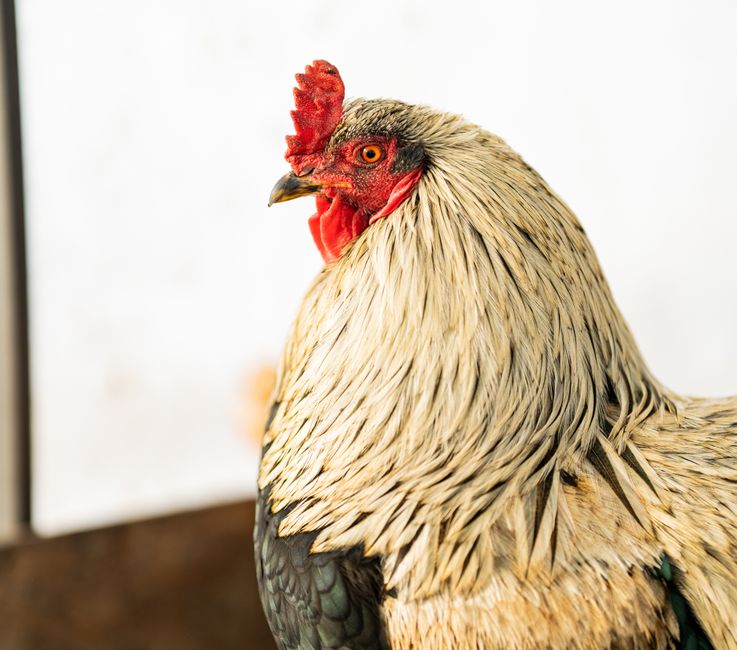
The Araucana is the original South American breed, rumpless, tufted, carrying the blue egg gene. The American Poultry Association recognized the Ameraucana in 1984 as a standardized derivative bred to fix some of the Araucana’s genetic problems (the tufting gene is linked to a lethal allele that kills a percentage of embryos). Ameraucanas have a full tail, a pea comb, a beard and muffs, and come in eight recognized colors: Black, Blue, Blue Wheaten, Brown Red, Buff, Silver, Wheaten, and White.
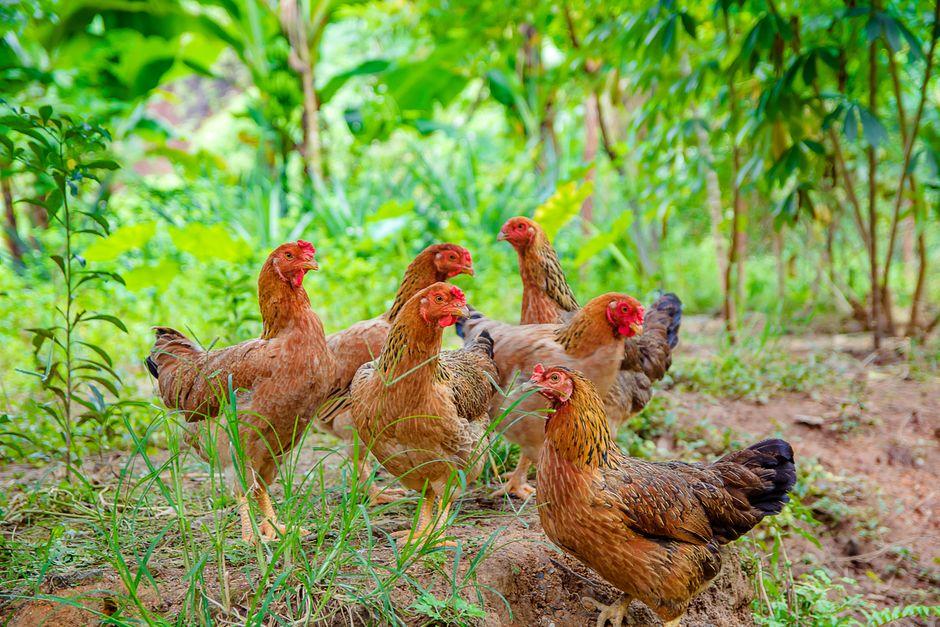
Easter Eggers are none of the above. They carry the blue egg gene from Araucana heritage, but they’re mixed-breed birds. Their egg color can be blue, green, pink-tinged, or even standard brown, and there’s no breed standard for appearance. They are wonderful backyard birds. I keep a few myself. But they are not Ameraucanas, and any hatchery selling chicks as “Ameraucanas” for $4-$6 each is selling Easter Eggers. Period. Real Ameraucanas from quality breeders run $25-$75 per straight-run chick, and sexed females will sometimes run higher.
I tested this the uncomfortable way: I ordered from three major online hatcheries under the label “Ameraucana” and tracked egg color across 18 hens. Seven of them laid blue eggs. The other eleven laid various shades of green, olive, and one laid a completely brown egg. That’s not a true Ameraucana flock. That’s Easter Eggers, and it confirmed what experienced breeders had been telling me for years.
What the Eggs Actually Look Like
The blue is real and it’s consistent in a true Ameraucana flock, though the exact shade varies by hen and even by time of year. I’ve seen everything from a pale, almost grey-blue to a vivid robin’s egg blue in my own birds. The color comes from oocyanin pigment deposited throughout the shell, which means even the interior of the shell is blue-green. That’s the easiest visual test: crack a grocery store egg versus an Ameraucana egg and look inside the shell.
Production numbers sit around 150-200 eggs per year for a well-managed hen. Some hens push past that; I had one Black Ameraucana named Dolores who routinely gave me 4-5 eggs a week from September through June. She was also the grumpiest bird I’ve ever owned. Make of that what you will.
They do slow down noticeably in winter without supplemental light, more so than my Rhode Island Reds or Barred Rocks. If you’re counting on consistent winter production, you’ll need a light on a timer set for 14-16 hours of total daily light. I use a simple LED shop light on a $15 timer from Amazon, and it keeps production from cratering.
Breed Characteristics and Management
3 BEST CHICKEN BREEDS | Backyard & Family Flocks | Favorite Poultry Varieties For Beginners | Chicks · Oak Abode on YouTube
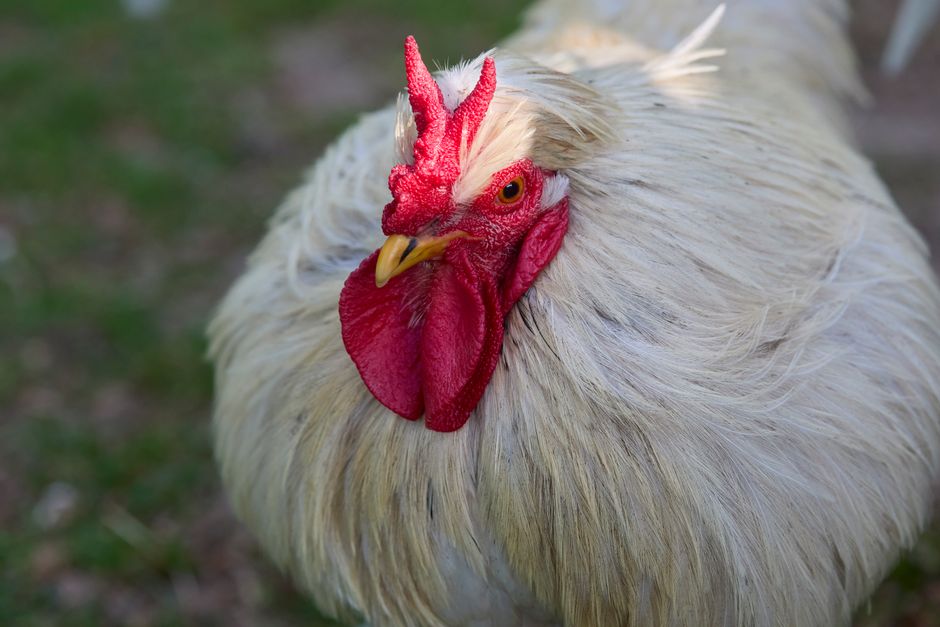
Ameraucanas are medium-sized birds, hens typically 5.5 lbs and roosters around 6.5 lbs. They’re not a meat breed by any stretch, but they’re not the fragile little things they sometimes look like in photos. The pea comb makes them genuinely cold-hardy because there’s almost nothing to get frostbitten, which is one reason I’ve come to appreciate them more as I’ve kept birds through brutal Mid-Atlantic winters.
The beard and muffs are where things get complicated. I didn’t expect this when I started: those feathers trap moisture and debris, and in wet spring weather, they become prime real estate for mites and lice. You have to get hands-on with these birds regularly, parting those feathers and actually looking at the skin underneath. I check my Ameraucanas for external parasites every three weeks minimum. I use Elector PSP for treatment when I find an infestation, which runs around $70 for the small bottle but goes a very long way. Wet beard feathers in cold weather can also lead to frostbite on the skin underneath in severe cold, which almost no one warns you about upfront.
Temperament is generally calm and curious. They’re not as tame as Buff Orpingtons, and they won’t follow you around the yard looking for a lap to sit in. But they’re not flighty and panicky like Leghorns either. They sit somewhere in the middle: observant, a little standoffish until they know you, and then reasonably friendly. My hens handle being handled tolerably well as long as you start handling them early. What surprised me was how well they mix with more assertive breeds; mine coexist with Australorps and Black Sex-Links without much drama.
Feeding and Housing
Nothing exotic required here, which is refreshing after reading some of the hyperbolic breed profiles online.
A 16% layer pellet is fine for mature hens. I use Purina Layena (currently around $22-$25 for a 40-lb bag depending on your feed store and location), and I supplement with oyster shell on the side because Ameraucana eggshells can run thin when calcium is borderline. This is anecdotal, but I’ve noticed it consistently compared to my other breeds. During molt, I bump up to an 18-20% protein feed to support feather regrowth, especially for those birds with heavy facial feathering.
Coop space follows the standard guidance: 4 square feet per bird inside, 10 square feet per bird in the run if you’re not free-ranging. What I’ll add from experience is that these birds do better with elevated roosts than many breeds. They like height. Give them a roost at 18-24 inches minimum, and preferably a ladder or step system so birds at the bottom of the pecking order have multiple exit routes. When I ran a flat single-roost setup, I had more feather-pulling incidents with this breed than with any other I kept.
Sourcing: How to Actually Find Real Ameraucanas
This is where I see people go wrong most often, and it’s genuinely frustrating because the internet has made it simultaneously easier to find breeders and easier to be sold mislabeled birds.
Here’s how I’d approach it in 2026:
Start with the Ameraucana Breeders Club (ameraucana.com). They maintain a breeder directory organized by state, and listed breeders have agreed to meet breed standards. This doesn’t guarantee perfection, but it’s a meaningful filter. Ask any breeder what color variety they’re working with, whether their birds are APA or ABA (American Bantam Association for bantam varieties) show quality or production quality, and whether they can show you photos of the sire and dam.
Ask to see eggs before you commit to buying chicks. True Ameraucanas from a quality line should be laying distinctly blue eggs, not olive, not green-blue. Green is an Easter Egger giveaway.
| Source Type | Typical Price (chick) | Egg Color Reliability | APA Standard? |
|---|---|---|---|
| APA breeder, show quality | $50-$75 | High (blue only) | Yes |
| APA breeder, production quality | $25-$45 | High (blue only) | Yes |
| Major online hatchery | $4-$8 | Low (blue, green, mixed) | No (Easter Eggers) |
| Local farm store (spring) | $3-$6 | Very low | No |
| Local breeder, unverified | $10-$30 | Variable | Unknown |
Current as of July 2026, prices reflect what I’ve been seeing across the breeders I follow and recent conversations in the APA community.
Sources
- Ameraucana Breeders Club (ameraucana.com): Official breed club resource with breeder directory and breed standard documentation.
- American Poultry Association “American Standard of Perfection” (most recent edition): The authoritative source for recognized Ameraucana varieties and physical standards.
- Merck Veterinary Manual, Poultry section: Referenced for external parasite identification and treatment options in laying hens.
- University of California Cooperative Extension, “Backyard Poultry” publications: Egg production estimates and flock management guidelines.
- Phillip J. Clauer, Penn State Extension: Laying hen nutrition recommendations, including protein and calcium requirements by production stage.
Photo: dp singh Bhullar via Pexels