 Carol Thompson
Something shifted this spring. I’ve been keeping chickens for a decade, and I’ve watched legalization efforts crawl through city councils at a pace that would make a broody hen look productive. But right now, in June 2026, more cities are actively debating or passing backyard chicken ordinances than at any point I can remember. Five municipalities in a single month. That’s not a trend. That’s a wave.
If you’ve been waiting to see whether your city might follow suit, or you just got a notice that your neighbor is pushing for an ordinance change, this is the moment to pay attention.
Here's how the five cities currently debating or passing backyard chicken rules stack up on the key restrictions that matter most to prospective flock owners.
| City, State | Max Hens Allowed | Minimum Lot Size | Roosters | Coop Setback | Permit Required |
|---|---|---|---|---|---|
| Edgewater, FL | Not yet specified | Standard residential | Banned | TBD in final reading | Expected |
| Stuart, FL | 4 | Standard residential | Banned | TBD (June 22 vote) | Likely |
| Westminster, CO | 6 (standard) / 30 (2+ acres) | None / 2+ acres for expanded limit | Likely banned on standard lots | Existing rules apply | Yes (existing) |
| Paxton, IL | Under review | Under review | Under review | Under review | Under review |
| Rapid City, SD | 6 | Standard residential | Banned | 10 ft from property line (typical) | Yes |
General information for comparison, confirm specifics for your situation.
What’s Actually Happening Right Now
The specifics matter here, because this isn’t one of those vague “cities are warming up to chickens” stories. These are real votes, real dates, real ordinances.
On June 1, 2026, Edgewater, Florida passed a unanimous first reading allowing hens as household pets for personal egg harvesting. Roosters banned. Commercial sales banned. Done. Stuart, Florida advanced a similar proposal on June 10, capping flocks at four hens per residential property, with a follow-up vote scheduled for June 22. Westminster, Colorado is voting on June 22 as well, though their debate hits different: they’re looking at raising an existing flock limit from 6 to 30 birds for parcels of two or more acres. That’s not a city dipping its toes in. That’s a city recognizing that the people who already have chickens want to do this more seriously.
Meanwhile, Paxton, Illinois aldermen spent 90 minutes on June 2 reviewing a draft ordinance, with a second look scheduled for July 7. And Rapid City, South Dakota’s Legal and Finance Committee already approved a second reading back on April 15, legalizing up to six hens on residential property. Five cities, four states, essentially one month.
The Ford County Chronicle’s coverage of Paxton noted that local officials are taking the conversation seriously rather than dismissing it, which is itself a change in tone from a few years ago.
Why Grocery Costs Are Doing What Advocates Couldn’t
I’ve watched chicken advocates show up to city council meetings for years with pamphlets about educational benefits and sustainability. Polite applause, then nothing. What’s actually moving the needle in 2026 is the price of eggs at the grocery store.
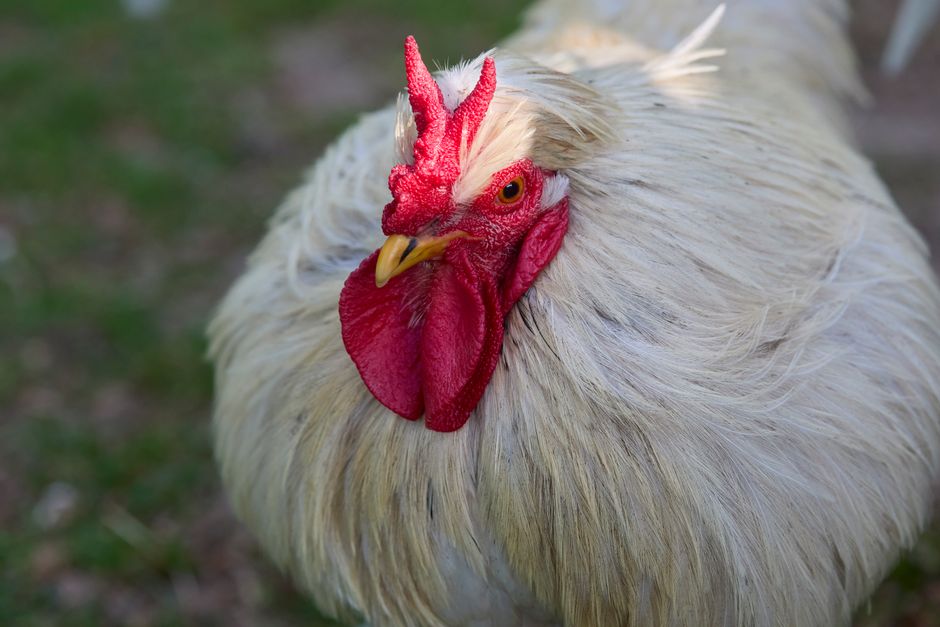
City officials across these municipalities are citing the same two reasons for revisiting their ordinances: soaring grocery costs and a growing public desire for food self-sufficiency. Those aren’t talking points from a backyard farming nonprofit. Those are the reasons council members are giving on the record. When a Buff Orpington in someone’s backyard starts looking like a hedge against a $7 carton of eggs, the political math changes fast.
This also changes how ordinances get written. When keeping chickens was a lifestyle choice, cities felt comfortable loading up the rules: permit fees, coop inspections, minimum lot sizes, neighbor notification requirements. When it’s framed as food access, those barriers start looking harder to defend publicly. The Edgewater ordinance’s framing of hens as “household pets for personal egg harvesting” is deliberate. It’s designed to be difficult to oppose.
The Practical Gap Between Legalization and a Good Ordinance
10 Chicken Coop Mistakes you DON'T want to Make ! · Carolina Coops® on YouTube
Here’s where I have to be honest with you, because a bad ordinance can make your first year with chickens genuinely miserable.
Four hens is a common starting number in new ordinances, and it’s workable, but just barely. Four healthy laying hens, say Rhode Island Reds or Black Australorps, will give you roughly 3 to 4 eggs per day during peak season. That’s enough for a household and some to share. But you’re also one predator attack or illness away from being down to two birds, which produces almost nothing. Six is a better floor, and Westminster’s move toward 30 for larger parcels is the kind of sensible scaling that shows someone actually thought it through.
Permit fees are the other thing to watch. I’ve seen cities charge $50 to $150 annually just to register a backyard flock. That’s real money on top of feed, bedding, and coop costs. If your new ordinance requires an annual permit, find out exactly what that fee is before you build anything. Some cities quietly stop enforcing permit requirements after the first year. Some don’t.
Rooster bans are almost universal in urban ordinances and completely reasonable. Anyone who tells you they need a rooster for hens to lay eggs is wrong. Your hens will lay fine without one. The noise complaint problem is real, and fighting that battle on behalf of roosters isn’t worth it.
What to Do If Your City Isn’t on This List
If you live somewhere that still bans backyard chickens, the current political climate is genuinely the best opening you’ve had in years. City council members are listening to food cost arguments right now in a way they weren’t in 2022 or 2023.
The most effective thing I’ve seen local advocates do is not show up with a presentation about permaculture. It’s showing up with a specific, simple draft ordinance and a list of comparable cities that have had chickens legal for years without incident. Austin, Texas. Portland, Oregon. Denver, Colorado. Cities that have had backyard chicken ordinances in place for over a decade and have not been overrun by roosters or rat infestations.
Westminster’s pending vote is a useful case study because it’s a city expanding permissions rather than creating them from scratch. That’s the trajectory you want to point to. Start with a conservative ask, build a clean track record, then come back for more reasonable limits later.
The Things That Kill New Flocks (and New Ordinances)
The two things that get backyard chicken ordinances repealed or stalled are noise complaints, usually from someone who snuck in a rooster despite the ban, and predator-related messes that spill into neighbors’ yards. A half-eaten chicken left outside a flimsy coop is exactly the image that ends up at a city council meeting six months after an ordinance passes.
If you’re one of the first people in your city to get chickens after a new ordinance, you’re an ambassador for whether this experiment continues, whether you want to be or not. Hardware cloth instead of chicken wire. A covered run. Feed stored in a metal bin so you’re not attracting rats. These aren’t just good practices for your flock. They’re how you protect the ordinance itself.
The wave is real. Whether it reaches your city depends partly on advocates, partly on grocery prices, and partly on the people who get chickens first and either prove the skeptics wrong or hand them exactly the evidence they were looking for.
Sources
- Stuart commissioners advance backyard chicken proposal (June 10, 2026)
- Edgewater moves closer to regulating backyard chickens (June 1, 2026)
- Westminster rule could allow more backyard chickens (June 9, 2026)
- Rules for backyard chickens get first look (June 10, 2026)
- Legal and Finance Committee approves 2nd reading of backyard chickens ordinance (April 15, 2026)
Photo: karl sune via Pexels