 Sarah Mills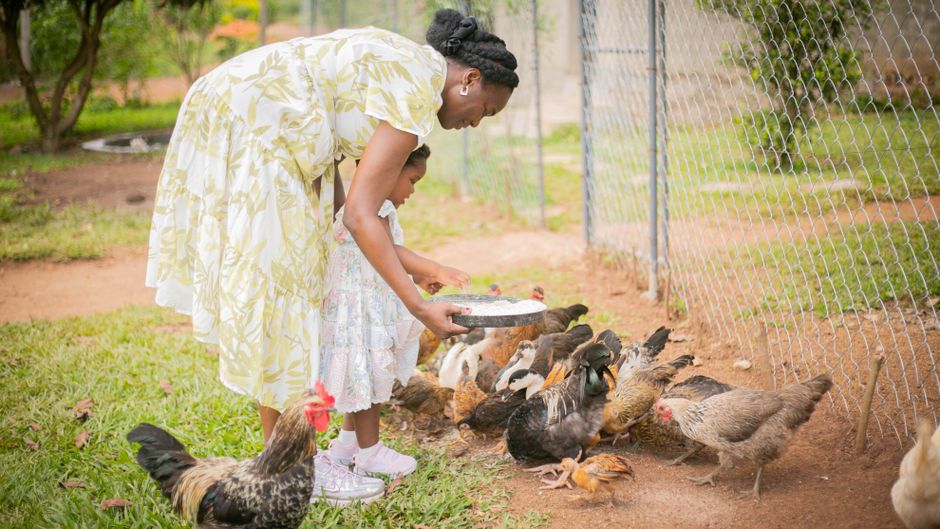
If you picked up chicks this spring, you’re probably right in the middle of that happy phase right now. The brooder is gone, the birds are outside, you’re figuring out your routine. Maybe your kids are obsessed with them. That’s exactly where most people are when they get blindsided by what the CDC is tracking this summer, and it’s worth slowing down for a few minutes to understand what’s actually happening out there.
As of June 8, 2026, the CDC is actively investigating eight multistate Salmonella outbreaks tied to backyard poultry. Five hundred and thirteen people are sick across 42 states and a U.S. territory. Fifty-three have been hospitalized. One person in Washington state has died. And the number keeps climbing as summer gets going, because Salmonella moves fast in warm weather and because a whole wave of spring chick buyers are just now entering the window where complacency sets in.
Why Spring Chick Buyers Are the Highest-Risk Group Right Now
Here’s the number that stopped me: 84% of sick people who owned backyard poultry purchased or obtained their birds since January 1, 2026. That’s not a coincidence. That’s the spring chick-buying window doing exactly what it does every year, except this year the contamination load coming out of hatcheries is serious enough that federal investigators are actively tracking it.
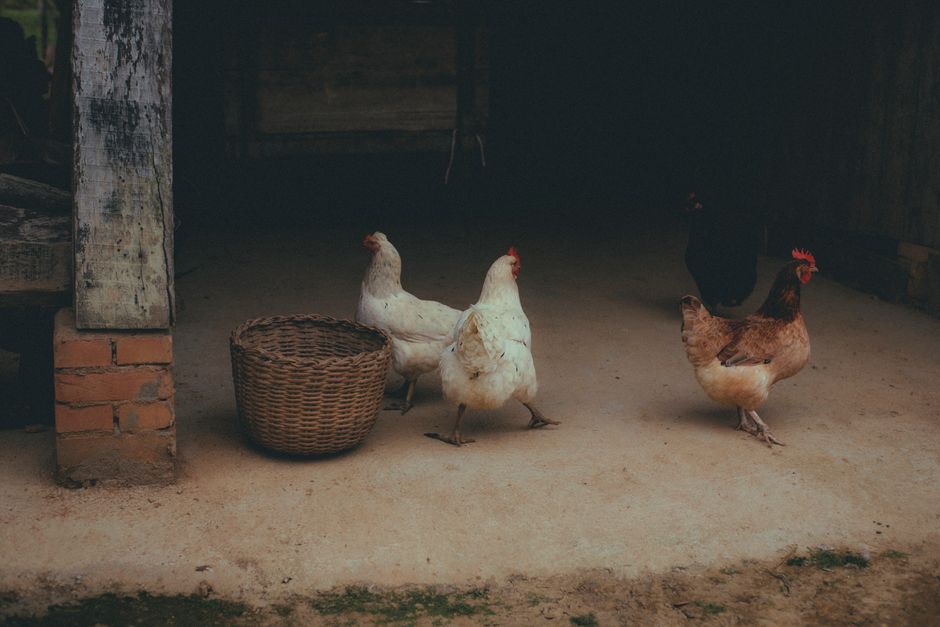
What tends to happen is this. You get your chicks, you’re cautious at first, you’re washing hands after every brooder check. Then the birds go outside, they seem healthy, everyone relaxes. The kids start handling them more freely. You stop thinking about it as a biosecurity situation and start thinking about it as just, you know, your chickens. That shift in mindset is precisely when exposure risk goes up.
Seven hatcheries have been linked to the outbreak strains so far. But here’s what matters for most people: the birds weren’t bought directly from those hatcheries. They were purchased from agricultural retail stores, the kind of place with a feed section and a cardboard brooder tank near the register in March and April. That supply chain is long and the contamination tracking is complicated, which is part of why the CDC is still investigating.
Five Salmonella Strains at Once, and Some of Them Are Harder to Treat
| Salmonella Strain | Confirmed Cases | Notes |
|---|---|---|
| Saintpaul | 133 | Largest strain in current outbreak |
| Enteritidis | Not specified | One of five strains tracked |
| Indiana | Not specified | One of five strains tracked |
| Infantis | Not specified | One of five strains tracked |
| Mbandaka | Not specified | One of five strains tracked |
This isn’t a single outbreak. The CDC is simultaneously tracking five Salmonella strains: Enteritidis, Indiana, Infantis, Mbandaka, and Saintpaul. Saintpaul is the largest right now, with 133 confirmed patients, according to the CDC’s active investigation page.
The strain variety matters for a reason most people don’t think about until they’re in a doctor’s office. Some of the 2026 outbreak samples show predicted antibiotic resistance to fosfomycin, chloramphenicol, streptomycin, sulfisoxazole, and tetracycline. That’s a meaningful list. It doesn’t mean treatment is impossible, but it does mean that a case serious enough to require intervention could be more complicated than a typical foodborne illness situation. For a healthy adult, Salmonella is miserable and then it’s over. For a young child, an elderly person, or someone immunocompromised, “more complicated” can become dangerous fast.
Your chickens can carry these strains and show zero signs of illness. That’s the part people consistently underestimate. A bird that looks healthy, eats well, and lays reliably can still be shedding Salmonella in its droppings. There’s no visual cue. No way to tell by looking.
Children Under 5 Are Getting Hit the Hardest
More than a quarter of all cases in this outbreak are children under five. That’s the figure the CDC flagged specifically, and it tracks with what I’ve seen play out in backyard poultry communities for years. Young kids are at higher risk for two reasons that compound each other: they’re more likely to touch birds and then touch their faces or put their hands in their mouths, and their immune systems handle Salmonella less effectively than an adult’s.
You might be wondering whether keeping kids away from the flock entirely is the answer. I don’t think it has to be. But the rules need to be real rules, not suggestions. No kissing the chickens. No snuggling them against your face. Hands washed with soap and water immediately after any contact, before touching anything else. Not hand sanitizer as a substitute for soap, actual handwashing. Kids under five probably shouldn’t be handling birds at all during an active outbreak period like this one.
The coop and run area also need to be treated as a contaminated zone for shoe purposes. Dedicated footwear that stays outside, or you’re tracking droppings through the house. This sounds extreme until you think about what’s actually on the ground out there.
What You Can Actually Do Right Now
Here’s what I tell people when they’re processing this kind of news: the goal isn’t panic, it’s tightening up the habits that probably got loose once the novelty wore off.
Wash your hands every single time. The research on this is unambiguous. Don’t eat, drink, or smoke in the coop or run area. Don’t let birds into the house. If you’ve been letting your chickens free-range into the garage, the porch, or through any door, that’s the first thing to stop.
Clean the waterers and feeders regularly because Salmonella persists in contaminated feed and water. If you’ve been collecting eggs in the house and setting them on the kitchen counter before refrigerating, those eggs are coming from a Salmonella-possible environment and your hands and the shells have been in contact with that environment. Wash your hands after egg collection. Don’t wash the eggs themselves in water that would force bacteria through the shell’s pores.
If anyone in your household gets a severe or prolonged gastrointestinal illness this summer, tell your doctor you keep backyard poultry. According to the CDC’s newsroom update from May 14, 2026, that information matters for diagnosis and it helps investigators build a clearer picture of how the outbreak is spreading.
If You’re Thinking About More Birds or New Sources
Some people expand their flock in summer. If that’s you, right now is the time to be thoughtful about where your birds are coming from. Ask about the source hatchery. Quarantine any new birds for at least 30 days before integrating them with your existing flock. That’s standard biosecurity advice that becomes more important, not less, when there’s an active multistate outbreak.
The investigation is still open and the case count is still growing. That means the summer surge the CDC is watching for is happening now, not coming later.
The chickens in your backyard are probably fine and your family can stay healthy with them. That’s the honest reality. But the households getting hurt right now mostly thought the same thing, and the difference often comes down to the small habits that start to slip once keeping chickens starts feeling routine.
Sources
- CDC , Salmonella Outbreaks Linked to Backyard Poultry (Updated June 2026)
- CDC Newsroom , UPDATE: Ongoing Salmonella Outbreaks Linked to Backyard Poultry (May 14, 2026)
- Medical Daily , Your Backyard Chickens Could Make Your Child Seriously Ill, CDC Warns (June 25, 2026)
- Food Poison Journal , Salmonella Outbreaks of 2026: Poultry, Oysters and Moringa (May 2026)
- CDC , Investigation Update: Salmonella Outbreaks, April 2026 (Updated May 2026)
Photo: Speak Media Uganda via Pexels